How to Manage Window Condensation: A Definitive Guide
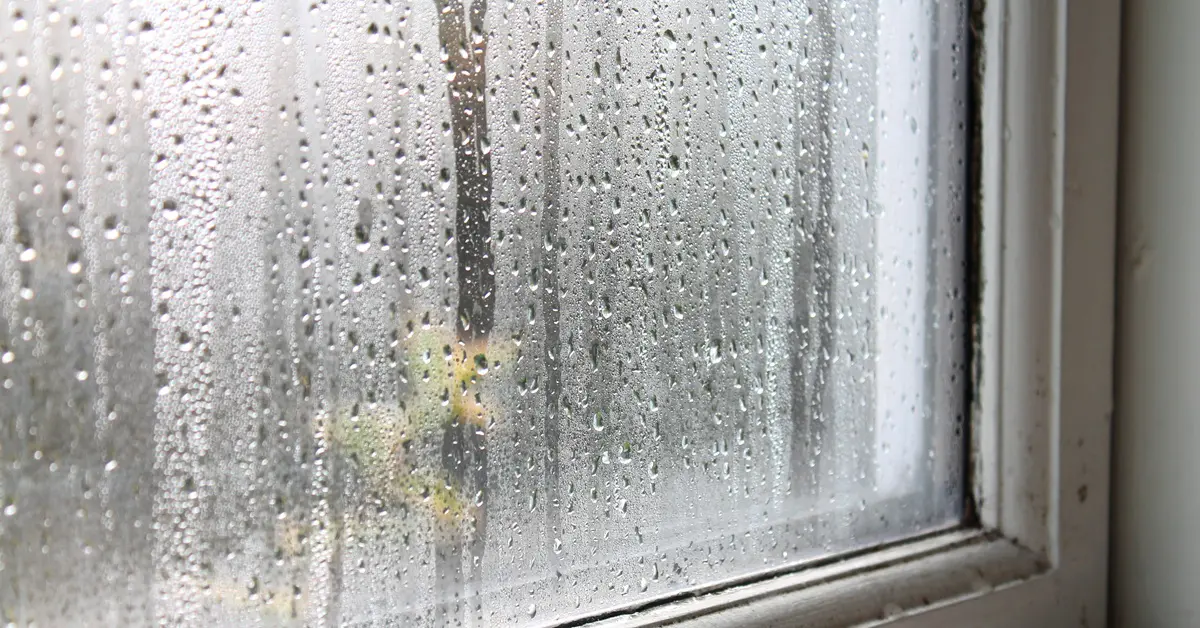
The presence of moisture on glass surfaces is often dismissed as a minor seasonal nuisance, yet in the lexicon of building science, it serves as a critical diagnostic signal. Window condensation is not merely a localized event occurring on a pane of glass; it is the visible manifestation of a complex hydrothermal interaction between interior humidity, exterior ambient temperature, and the thermal resistance of the building envelope. How to Manage Window Condensation. When moisture aggregates on these surfaces, it indicates that the glass temperature has dropped below the dew point of the interior air, triggering a phase change from vapor to liquid.
To address this phenomenon requires more than a simple wipe of a cloth or the opening of a sash. It demands an analytical approach to the home’s mechanical systems, ventilation rates, and structural insulation. If left unmanaged, persistent condensation transitions from a visual obstruction to a structural liability, facilitating the growth of fungal pathogens and the slow degradation of wooden sills, wall studs, and surrounding insulation layers. The persistence of “sweating windows” is frequently an indictment of the building’s current equilibrium.
Modern residential environments have become increasingly airtight in the pursuit of energy efficiency. While this reduces heating and cooling loads, it simultaneously traps internally generated moisture from cooking, bathing, and even human respiration. Consequently, the strategy for intervention has shifted. We no longer look at the window in isolation but rather as a component of a larger atmospheric system. Understanding the nuances of this system is the first step toward a permanent resolution.
Understanding “how to manage window condensation”
To effectively address the root causes, one must first dismantle the prevailing oversimplifications. Knowing how to manage window condensation involves identifying which of the three primary types of condensation is occurring: interior, exterior, or interstitial. Each type originates from a distinct environmental pressure and requires a fundamentally different tactical response.
A common misunderstanding is the belief that new, high-performance windows should never exhibit condensation. Paradoxically, highly efficient windows often display exterior condensation because they are so effective at blocking heat transfer that the outer pane remains cold, reaching the dew point of the morning air. Conversely, interior condensation on new windows usually signals that the home is now so airtight that moisture can no longer escape through the “leaky” gaps common in older structures.
The risk of oversimplification lies in treating the symptom rather than the system. For instance, applying a dehumidifier may lower the humidity, but it does not address a thermal bridge in a poorly insulated window frame. A multi-perspective explanation must account for the psychrometric chart—the relationship between dry-bulb temperature, wet-bulb temperature, and relative humidity. Managing this balance is the difference between a dry home and a deteriorating one.
Historical Context: The Evolution of Airtightness
In the pre-1970s era of residential construction, window condensation was rarely a systemic issue. Homes were “breathable,” a euphemism for being energy-inefficient and drafty. The constant exchange of indoor and outdoor air meant that interior humidity levels rarely climbed high enough to reach the dew point on single-pane glass, despite the glass being significantly colder than modern standards.
Following the energy crises of the 1970s and the subsequent tightening of building codes, the “house as a system” philosophy emerged. We began wrapping buildings in plastic vapor barriers and installing double-pane Insulated Glass Units (IGUs). While this saved billions in energy costs, it effectively sealed moisture inside. The natural “drying potential” of the home was compromised.
Today, we operate in an era where the building envelope is almost hermetic. This has forced the evolution of mechanical ventilation, such as Heat Recovery Ventilators (HRVs) and Energy Recovery Ventilators (ERVs). The history of window condensation is, in many ways, the history of our struggle to balance thermal retention with air quality.
Conceptual Frameworks and Mental Models
To navigate the complexities of moisture management, several mental models are essential.
1. The Dew Point Gradient
Think of the window as a thermal barrier. The goal of management is to ensure the surface temperature of the glass stays “above the line” where vapor turns to liquid. You can achieve this by either raising the temperature of the glass (better windows/insulation) or lowering the moisture content of the air (ventilation).
2. The Reservoir Effect
Materials like wood sills, drywall, and carpets act as moisture reservoirs. They can absorb high levels of humidity during the day and release them at night when temperatures drop, causing a sudden “spike” in window condensation. Management must look at the total “buffer” capacity of the room.
3. The Thermal Bridge Theory
Metal window frames or glass spacers act as “highways” for cold. Even if the glass is warm, a cold aluminum frame will trigger condensation at the edges. This model prioritizes “warm-edge” technology and thermally broken frames to interrupt the cold’s path.
Categories of Condensation and Technical Triggers
Understanding the specific manifestation of moisture allows for targeted resource allocation.
| Condensation Type | Location | Primary Cause | Severity |
| Interior | Inside surface of the glass | High indoor humidity + Cold glass | High (leads to mold/rot) |
| Exterior | Outside surface of the glass | High outdoor humidity + Highly efficient glass | Low (aesthetic only) |
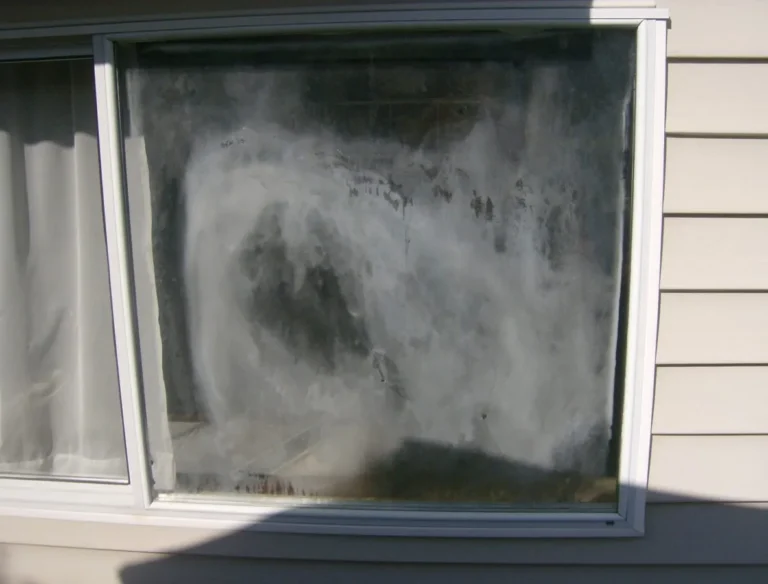
| Interstitial | Between the glass panes | Seal failure of the IGU | Critical (unit must be replaced) |
| Frame/Sill | On the sash or frame | Thermal bridging or air leaks | High (structural damage) |
Decision Logic for Intervention
The prioritization should follow a path of Hazard → Structural Integrity → Comfort. Interstitial condensation (between panes) indicates the window has lost its insulating gas (argon/krypton) and is no longer performing; this is a hardware failure. Interior condensation is a behavioral or mechanical system failure.
Real-World Scenarios and Constraints How to Manage Window Condensation
Scenario 1: The Energy-Efficient Retrofit
A homeowner replaces old wooden windows with high-end vinyl units. Within weeks, the new windows are covered in water.
-
Constraint: The home’s natural air exchange rate has dropped by 40%.
-
Decision Point: Instead of blaming the windows, the owner must install an ERV to mechanically exchange air.
-
Failure Mode: Ignoring the water, leading to mold growth on the new vinyl frames within the first season.
Scenario 2: The Culinary/Laundry Peak
In a small apartment, condensation only appears during dinner preparation or while drying clothes.
-
Constraint: Small volume of air reaches saturation quickly.
-
Decision Point: Strategic use of localized exhaust fans with “run-on” timers that operate for 20 minutes post-activity.
-
Second-Order Effect: Reduction in dust mite populations due to lower localized humidity.
Economic Dynamics of Mitigation
The financial impact of moisture management involves a trade-off between operational costs and capital investments.
Range-Based Mitigation Costs
| Strategy | Cost Level | Direct Cost | Opportunity Cost |
| Behavioral Change | Zero | $0 | Minor inconvenience |
| Dehumidification | Low | $200 – $500 | Increased electricity usage |
| Mechanical Ventilation (ERV/HRV) | Moderate | $1,500 – $3,500 | Professional installation time |
| Window Replacement (High Performance) | High | $1,000+ per unit | Disruption of the building skin |
Opportunity Cost Analysis: Delaying a $2,000 ventilation fix may result in a $15,000 mold remediation and structural repair bill five years later. In this context, proactive management is a high-yield investment.
Risk Landscape: Compounding Failures
Condensation is rarely a static problem. It follows a predictable taxonomy of decay:
-
Aesthetic Decay: Water spotting and “foggy” views.
-
Surface Degradation: Peeling paint and black “spotting” on caulking.
-
Biological Growth: Colonization by Stachybotrys or Aspergillus species, impacting indoor air quality.
-
Structural Compromise: Moisture wicking into the wooden rough opening (the “jack studs”), leading to “wet rot” and loss of load-bearing capacity.
Long-Term Governance and Maintenance Adaptation
Managing moisture requires a cyclical approach rather than a one-time fix.
The Seasonal Governance Checklist
-
Autumn Transition: Verify that all exhaust fan flappers move freely. Clean the filters in the HRV/ERV unit.
-
Winter Monitoring: Use a hygrometer to ensure indoor relative humidity stays between 30% and 40%. If it climbs higher, increase ventilation.
-
Spring Audit: Inspect sills for signs of finish failure. Re-seal any gaps in the interior trim that could allow moist air into the wall cavity.
Measurement, Tracking, and Evaluation
You cannot manage what you do not measure. A definitive plan includes:
-
Leading Indicators: Hygrometer readings. If the RH exceeds 45% when the outside temperature is 20°F, condensation is inevitable.
-
Lagging Indicators: Visible moisture on the glass. If water is present more than 2 hours after sunrise, the system is failing.
-
Documentation: Maintain a log of “first frost” observations. Changes in when condensation appears year-over-year can indicate a failing window seal or a change in the home’s moisture load (e.g., a basement leak).
Common Misconceptions and Correctives
-
Myth: “Closing the curtains helps prevent condensation.”
-
Correction: Curtains trap cold air against the glass and prevent warm room air from keeping the pane temperature above the dew point. It actually increases condensation.
-
Myth: “I should turn off my bathroom fan once I’m done showering.”
-
Correction: Most moisture is still in the air and on the walls. Fans should run for at least 20 minutes after the shower ends.
-
Myth: “New windows solve all humidity problems.”
-
Correction: New windows often reveal existing humidity problems that were previously masked by drafts.
Conclusion: Synthesis and Adaptability
Mastering how to manage window condensation is an exercise in environmental stewardship within the home. It requires a move away from the “barrier” mindset—simply wiping water away—toward a “systemic” mindset that balances thermal resistance with air exchange. As we continue to build and renovate toward higher efficiency, the windows will remain our most vital sensors.
By observing the glass, we are observing the health of the entire structure. A dry pane is the result of a harmonious relationship between the occupant’s lifestyle, the building’s mechanical lungs, and the engineering of the frame. Adaptability is key; as external climates become more volatile, our internal governance of the dew point will dictate the longevity of our residential investments.